

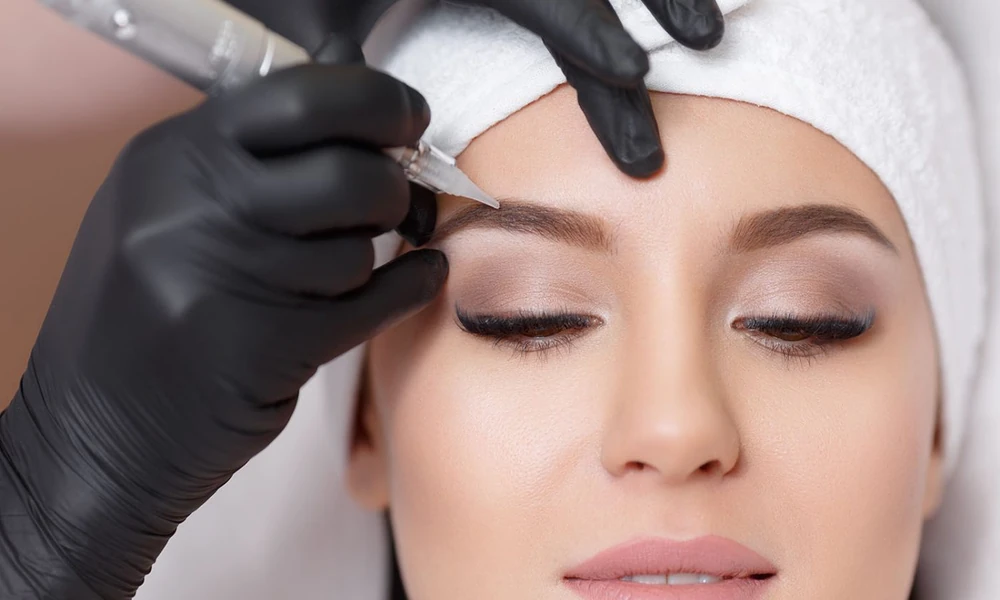
A wedding glow is a programme, not a single appointment. Skin renews on a cycle of roughly a month, collagen takes longer still, and photographs forgive nothing, so the professionals build a bridal skin plan the way a trainer builds a fitness block: a foundation, the heavy lifting, the polish, and a strict list of what never goes near a face close to the big day. Organise your treatments by their role and the plan writes itself.
The Base: Start With A Skin Assessment
Every good programme opens with a professional skin analysis around six months out. Congestion, dehydration, pigmentation and texture each call for different treatments, and guessing wastes the months you need most. This appointment also handles the boring essentials that decide everything later: patch tests for any treatment you have never had, a daily SPF habit if one does not exist yet, and a simple home routine that the in-clinic work can build on. Skin that drinks water, wears sunscreen and sleeps properly responds twice as well to everything below.
The Builders: The Treatments That Need Months
Collagen treatments deliver the big, lit-from-within change, and they refuse to be rushed. Microneedling works in a course of three sessions spaced a month apart, improving texture, pores and acne scarring, with the final session no later than six weeks before the wedding. Skin boosters such as Profhilo take two sessions, 4 weeks apart and reward you with a bouncy, hydrated finish that peaks weeks after the second visit. A course of light chemical peels brightens pigmentation and smooths tone across two to three months. Stack one or two of these between months 5 and 2, never all of them at once, and let each course finish with breathing room. Anything stronger, deep peels and resurfacing lasers, belongs six months out or not at all.
The Finishers: The Week-Of Polish
The fortnight before the wedding is for treatments with zero downtime and instant payoff. A HydraFacial three to five days out clears, hydrates and leaves the exact glass-skin finish photographers love. Dermaplaning removes the fine facial hair that catches light and lets make-up sit flawlessly, ideally five to seven days before. LED light therapy calms stress-induced redness and costs your schedule 20 minutes. Brows, lashes and a final hydrating facial slot into the same window. Nothing in this category should sting, peel or need explaining to your make-up artist.
The Forbidden List
Write this rule somewhere visible: nothing new in the final month. No first-time treatments, no new actives, no impulse facial bought in a panic, because an unexpected reaction with three weeks to go has no recovery window. Injectables follow their own curfew; practitioners want anti-wrinkle treatments done a month out and filler at least four to six weeks out, so swelling settles and adjustments stay possible. Sunbeds stay banned throughout, extractions stop two weeks before, and any treatment that promises a dramatic overnight change in the final week deserves the deepest suspicion you can manage.
Putting The Programme Together
A workable example for a June bride: assessment in December, peels January through February, microneedling course February to April, skin boosters in April, then HydraFacial, dermaplane and LED in the final week, with SPF and sleep doing quiet work the whole way through. The sequencing matters as much as the treatments, which is why the best beauty clinic you can find will map the full timetable at that first assessment, adjust it as your skin responds, and talk you out of anything risky in the home straight. Book the consultation before you book the florist. Flowers last a day. The photographs of your skin last forever.